
Music Speaks And So Do Music Therapists! Part One Of Our Conversation with Elizabeth Schwartz, LCAT, MT-BC

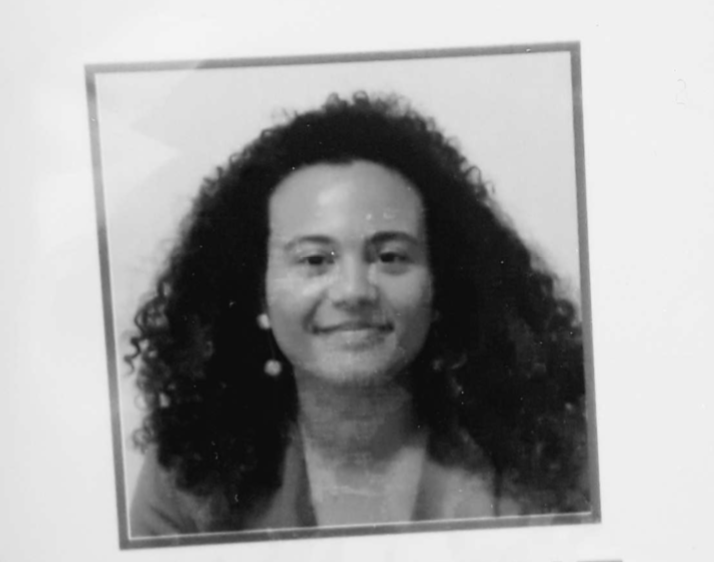
This week Sam and I were lucky enough to have a candid and enriching conversation with one of our former teachers and a fellow music therapist, Elizabeth Schwartz. Her insight and research have a tremendous impact on our field, and we are excited to share some of our conversation below!
Elizabeth: "When you get to be my age, and I'm old, you know, I think that's important to say that I've been in the business a long time and I'm old-is that you can begin to say what you want to say and that people are willing to publish it! So, I just had an essay article published in the Nordic Journal of Music Therapy where I discussed from a personal perspective the way that we in music therapy other music. So, that in our education training and practice we often dismiss certain traditions or genres as being less than and in contemporary practice that is not serving our participants and it's not serving our professionals, at all. I've talked about it from a personal perspective, an educational and supervisory perspective, and then gave some suggestions and guidance where I think the field needs to go in terms of opening ourselves to what music really means in contemporary practice. "
Kat: "That is absolutely spot on with one of the questions that I was going to ask you. So, I love that. If you're able to disclose, could we talk about some of those genres that may have been overlooked or that you feel need to come to the forefront in order to serve the populations that we do?"
Elizabeth: "Sure, I'd be happy to talk about that but I want to found it first, and I encourage you to access the article if you can (The article being referenced is "A personal reflection on “othering” music in the practice and profession of music therapy"). I think part of how I kind of centered the article is that we are not pointing fingers at one person or another, because it is systemic throughout. And, the point of it is that the people who come to music therapy have a wide and diverse range of musicality and of musical interest, and so we have to open ourselves to understanding the value of that genre tradition in general, even if it's not something that we ascribe to ourselves. And that we need to be learning about all of the genres and even though we can't be particularly skilled in every single one of them, to be present in the music. You know, I'm thinking, particularly, this has been the week where I do sight visits- so I've been in hospitals, in schools, with different kinds of students. One of the things that just stuck out to me this past week is our lack of training and education in music technology. And that connects to so many contemporary genres and the fact that it's not even included as a competency in our professional organization, and that in most university programs right now it's either not included or they do two sessions on it and say, "okay, learn it yourself". This is where contemporary music is. We can no longer focus all of our efforts and attention on piano or guitar when we need to be bringing GarageBand or other software. It's just- we are way behind the power curve on this. Certainly, genres that I'm not comfortable with but have really tried to learn more about are rap. And, I'm not good at it and I know that, but I have to say that here in the tristate area there are people who are trying to remedy that. I spent the day yesterday with a student that works for Brooklyn Conservatory of Music, Dannyele Crawford, who is a Molloy grad. So, Dannyele is tearing up the music therapy world presenting on hip-hop, she is brilliant at it. She is really moving people in this area to understand and to frankly learn about the musicianship that is necessary for that. But, cultural music. So, you know in the tristate area, there are urban areas where you get people from all of the world. I think we are, as a profession, we pay lip service to culturally informed music, and yet we don't do it. We don't value music from cultures where the music is a little hard for us with western ears to hear, like Indian music. One of my students is doing her thesis on the use of Indian ragas in music therapy practice. And she's looking for literature, I'm like, write it! On the other hand, the othering of music is persistent throughout. So, I think part of the article is it's not "us vs them". It's all of us together being reflective. I have students at Molloy where if we talk about classical music or talk about opera they're like, "Nope! Nope!".
Kat: "That was me!"
Elizabeth: "Right, so there is othering in that space too. And that's where we all as a community need to be reflective instead of pointing fingers and saying "You're wrong! You're wrong! I'm right!". We need to realize that we're all right and we're all wrong, and that it's not about us. Our own musical tastes does not inform what we need to be as music therapists."
Thank you for reading part one of our much needed conversation. Tune in next week for part two!

Comments